
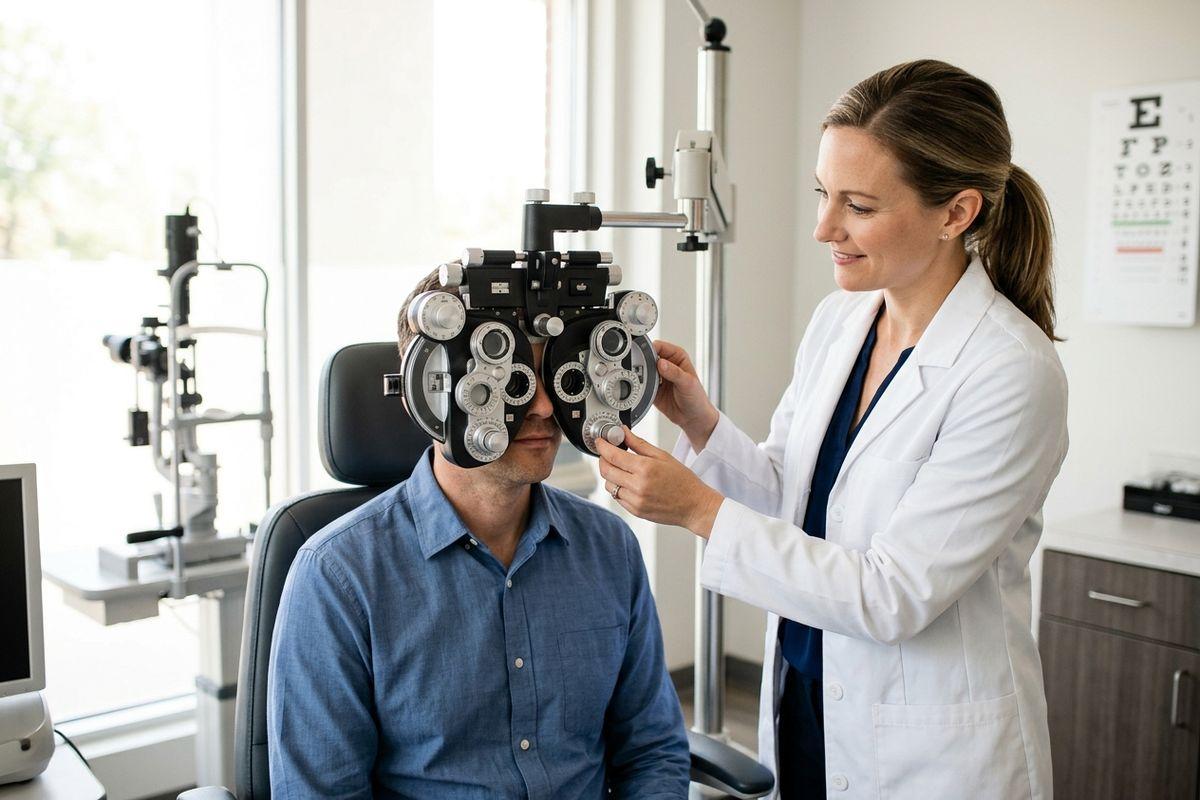
You trust your eyes to handle everything from reading texts to driving home at dusk. Yet vision can change so gradually that you may not notice a change until it starts to affect your day. Booking regular visits with an optometrist can help you stay ahead of these changes, whether you need an adult checkup or your child’s first eye exam.
Most people should have an eye exam every 1 to 2 years, though the right schedule depends on your age, your health, and whether you wear glasses or contacts.
Why Regular Eye Exams Matter
Many eye conditions develop with no early symptoms. You could have a problem well before your vision actually feels different.
A regular exam lets your optometrist spot these issues early, while they’re often easier to manage. It also helps track your vision over time, from small changes to ones that call for a new prescription.
Your eyes can reveal more than vision trouble, too. An exam can flag early signs connected to broader health concerns, like diabetes or high blood pressure.
How Often You Need an Eye Exam by Age
Your eyes have different needs at every stage of life, and the right schedule changes as you get older. Here’s a simple guide to help you plan.
Babies and Toddlers
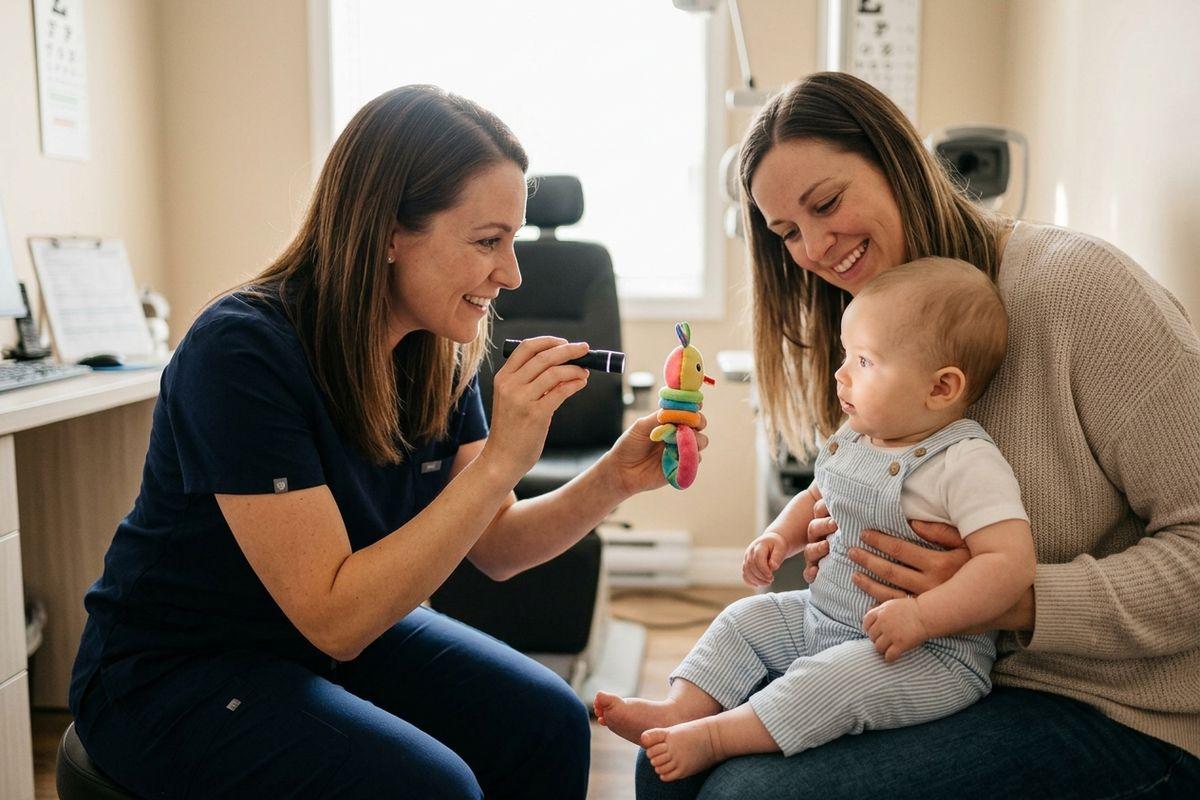
Schedule your child’s first eye exam between 6 and 9 months old. This early check lets the optometrist confirm both eyes are developing properly. A second visit before your child starts school can spot any changes that might affect learning.
Children and Teens
Kids grow fast, and their eyes can change just as quickly. Book a yearly exam through age 19 to keep prescriptions current and support clear vision in the classroom.
Adults and Seniors
As an adult, you can space out your visits a bit, then tighten the schedule again later in life. Use these general timelines as a guide:
- Ages 20 to 39: Book an exam every 2 years.
- Ages 40 to 64: Plan for a visit every 2 years, unless you’re at risk for an age-related eye condition.
- Age 65 and up: Schedule a checkup every year.
When You Might Need Exams More Often
Some people benefit from more frequent visits. The reasons often come down to how you see and your overall health.
Glasses or Contact Wearers
If you wear glasses or contacts, a yearly check helps keep your prescription accurate. An outdated prescription can leave you squinting or dealing with headaches after a long day.
Higher Risk Factors
Certain health factors can raise your risk of eye problems, so your optometrist may suggest more frequent visits if you have:
Signs You Shouldn’t Wait for Your Next Exam
Sometimes your eyes send signals that need attention right away. Don’t wait for your regular appointment if you notice any of the following:
- Eye pain
- Redness
- Dryness.
- A sudden increase in floaters or flashes
- Halos around lights.
- Sudden or gradual changes in your vision.
These signs could point to something that needs prompt care. Booking an exam soon can help the team address the issue before it grows.
Simple Ways to Protect Your Vision Between Visits
Small daily habits can support your eye health between appointments. Try these steps to keep your eyes comfortable:
- Follow the 20-20-20 rule. Every 20 minutes, look at something 20 feet away for 20 seconds to give your eyes a break from screens.
- Wear sunglasses that block UV rays whenever you’re outdoors, even on cloudy days.
- Fill your plate with leafy greens, fish, and colourful fruit to feed your eyes the nutrients they need.
Your Next Exam Is the Best Time to Start
Regular exams and simple daily habits work together to support your vision at every age. And the best part? You don’t have to figure out the right schedule on your own.
Book your next eye exam with Dorchester Optometry, and our team will help you find a routine that actually fits your life. We’ll walk you through what we find, answer your questions, and make sure you leave with a clear picture of your eye health.
Reach out today to get your whole family on the schedule!