

Glaucoma has a reputation for being quiet, and it earns it. Damage starts at the optic nerve and shows up first at the outer edges of your vision, where you’re least likely to notice anything missing.
The first sign of glaucoma is usually no sign at all, and when changes do begin, they typically show up as patchy blind spots in your side vision rather than blurry central vision. Often, the first time you’ll notice the symptoms is during an eye exam.
The Quiet Start of Glaucoma
Glaucoma tends to begin without symptoms. There’s no ache or watering to send you looking for help, and nothing feels different from one week to the next.
When vision does start to shift, the edges usually go first. Your side vision narrows in small patches, and your brain fills in the gaps using information from your other eye. So you keep seeing a complete picture, even when part of it is missing.
Most people only notice once the changes reach the centre of their vision, which is often years after the process started and the damage is already done.
Early Signs to Watch For
Slow changes are easy to explain away. You might blame tired eyes, a long week, or your screen. Still, a few patterns are worth mentioning at your next appointment. Bring these up at your next appointment, even if they seem too small to matter:
- Patchy blind spots in your side vision, often in both eyes
- Blurred vision that comes and goes
- Needing more light than you used to when you read
- Frequent changes to your glasses prescription
Sudden Signs to Act On Quickly
Not every form of glaucoma moves slowly. Angle-closure glaucoma happens when the eye’s drainage system becomes blocked, and pressure can climb fast enough to cause vision loss within a day.
Call the clinic or head to emergency eye care if any of this starts suddenly:
- Severe pain in or around the eye
- A headache that arrives with eye discomfort
- Halos or coloured rings around lights
- Redness paired with blurred vision
- Nausea alongside any of the above
How Your Eyes Feel When Pressure Rises
Higher pressure inside the eye usually feels like nothing. Some people do notice a dull ache or a heavy feeling behind the eye. Report those sensations, though their absence doesn’t tell you much on its own.
Normal-tension glaucoma makes this trickier still, since the optic nerve can be damaged while pressure readings stay in the typical range. Comfortable eyes and sharp central vision can exist alongside changes an exam picks up.

Who’s More Likely to Develop Glaucoma
Glaucoma turns up more often after 40, and the odds keep climbing as you get older. If a parent or sibling has glaucoma, your own risk is higher, so it helps to share that history with the optometrist.
Health conditions matter too, as diabetes, high blood pressure, and strong nearsightedness are all linked to higher risk. Old eye injuries and long-term steroid use raise your risk too, so bring both up at your appointment. Even an injury from decades ago is worth a mention.
When Glaucoma Shows Up in Children
Children can develop glaucoma, and the signs look different at that age. Parents sometimes notice a cloudy or hazy cornea, or one eye that looks larger than the other. Watch for these at home:
- Tearing when your child isn’t crying
- Squinting or heavy blinking in bright rooms
- Nearsightedness that keeps getting worse
- Rubbing or guarding one eye
Children rarely report vision changes on their own, so what you observe is vital during their eye exam.
How Eye Exams Detect Glaucoma Early
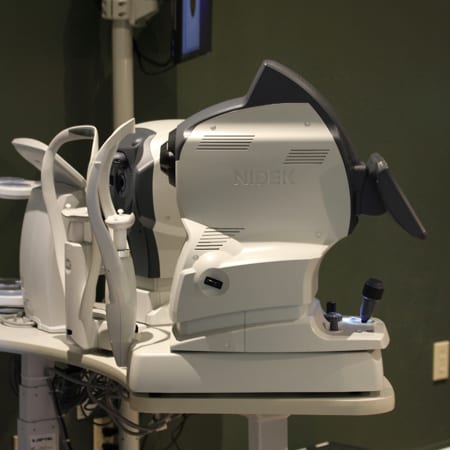
During a comprehensive eye exam, the optometrist measures the pressure inside your eyes and examines your optic nerve for changes. Side vision testing maps the edges of what you can see, which can reveal blind spots you’d never notice while reading or driving.
Comparing those results year over year is what makes small changes visible. A single exam gives a starting point, and follow-up exams show whether anything is changing.
How to Protect Your Sight
A few habits can support your vision over time:
- Book eye exams at intervals matched to your age and risk factors.
- Use prescribed drops exactly as directed, even on days your eyes feel fine.
- Wear eye protection during sports and when using power tools.
- Keep blood sugar and blood pressure in the range your family physician recommends
Glaucoma can be managed when it’s found early, and regular exams give the team the chance to track small changes year over year.
Glaucoma Won’t Ask for an Appointment
Early glaucoma often gives you no reason to call. That’s the problem with waiting for symptoms to prompt an appointment, and it’s why the exam has to happen on schedule.
Ask about your eye pressure at your next visit, and bring up your family history while you’re there. The optometrists at Dorchester Optometry will examine your optic nerve and walk you through what they find. Book your appointment today.