
Key Takeaways
- Pink eye is an everyday name for infectious conjunctivitis, spread by a virus or bacteria.
- Dry eye, allergies, blepharitis, and styes can look like pink eye but need different care.
- Some red-eye problems, such as uveitis and keratitis, need prompt attention.
- Discharge type, onset speed, pain, and vision changes help tell conditions apart.
- See an eye doctor for pain, vision changes, or symptoms that linger.
What Pink Eye Really Means
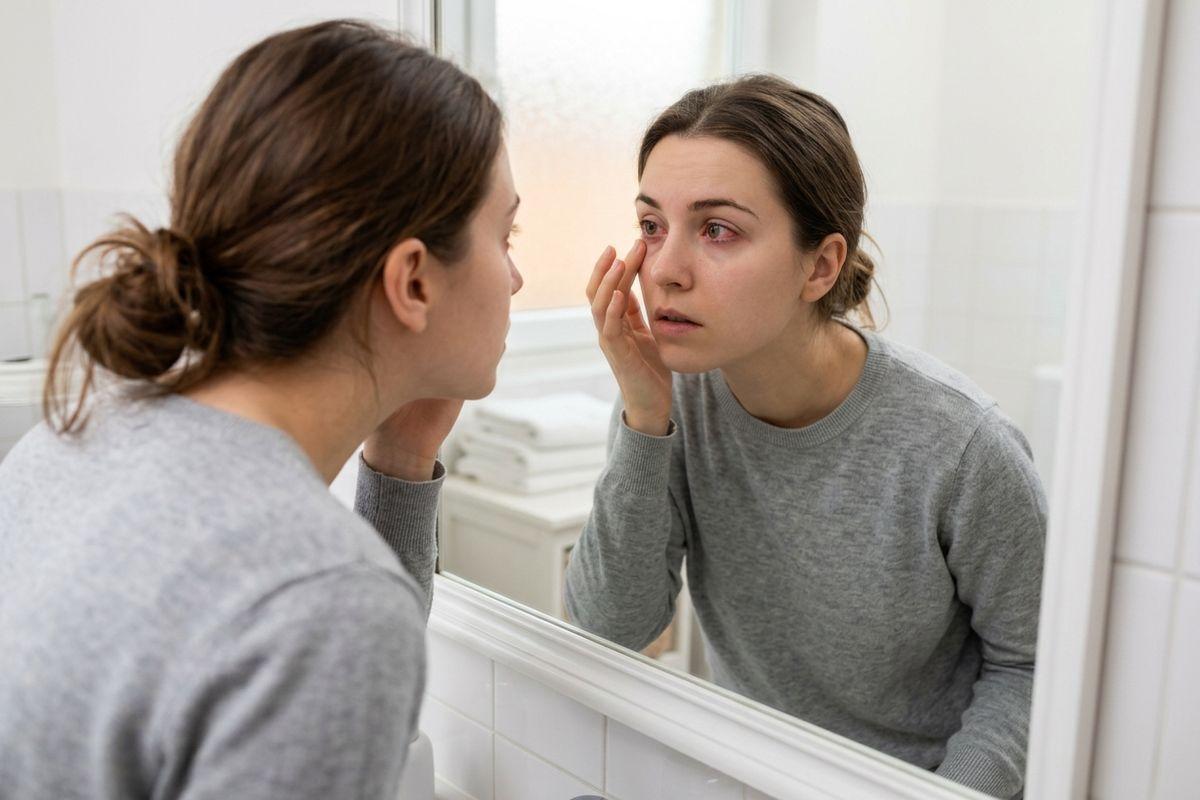
Your child wakes up with a red, watery eye, and your first thought jumps to pink eye. That reaction makes sense, since pink eye spreads quickly through homes, daycares, and classrooms, and the team at Dorchester Optometry hears this worry often.
Pink eye is the everyday term for infectious conjunctivitis, but many other conditions cause red, irritated eyes that can look almost the same.
True pink eye comes from a virus or bacteria. It passes easily from one person to the next through shared towels, pillows, and hands. That’s why one red eye in the house often turns into two or three within a few days.
Telltale Signs of True Pink Eye
Real pink eye tends to show a clear pattern. The eye looks red and puffy, and it waters more than usual.
- Red, watery, swollen eyes
- Thin, watery discharge with the viral type
- Thick, sticky discharge that crusts overnight with the bacterial type
Common Conditions Mistaken for Pink Eye
Plenty of eye problems share that same red, irritated look. Knowing a few differences can help you respond calmly instead of assuming the worst.
Dry Eye Syndrome
Dry eye brings a burning, gritty feeling, almost like a grain of sand sits under your lid. It builds slowly over hours or days and usually comes without any discharge, which sets it apart from pink eye.
Allergies and Allergic Conjunctivitis
Allergies tend to hit both eyes at once, and the main clue is itch. Your eyes water and feel scratchy after contact with pollen, dust, or a family pet.
- Itchy, watery eyes, usually both at once
- Linked to pollen, dust, or pets
- Not contagious, so it won’t pass to others
Blepharitis and Styes
Blepharitis leaves the eyelids swollen and crusty, often worse in the morning. A stye shows up as a tender lump along the edge of the lid. Both can turn the eye red without any infection spreading through the family.
Serious Eye Problems That Look Like Pink Eye
A few red-eye conditions need quicker attention. These are less common, yet worth knowing so you can act without panic.
Uveitis and Keratitis
Uveitis often shows a red ring around the coloured part of the eye, along with pain and strong light sensitivity. Keratitis, an inflamed cornea, brings similar discomfort. Both call for prompt attention from an eye doctor.
- Red ring around the iris
- Aching pain and light sensitivity
- Symptoms that push you to seek care soon

Other Warning Conditions
Some problems mimic pink eye but point somewhere else. A sudden red eye with a headache and nausea can signal angle closure glaucoma. In babies, a blocked tear duct can lead to watering and redness. A scratch on the surface, called a corneal abrasion, can also leave the eye red and sore.
How to Tell If It’s Pink Eye or Something Else
You can gather helpful clues at home before an exam. Start with the discharge, since watery, thick, or none at all, each point in different directions.
Next, notice how fast things started. Pink eye and abrasions tend to come on quickly, while dry eye creeps in slowly. Then watch for pain or blurry vision, which suggest something deeper than surface irritation.
Signs Beyond Pink Eye
Redness has many faces, and not all of them mean infection.
- A bright red patch from a small broken blood vessel
- Growths on the surface linked to years of sun exposure
- Redness that follows glaucoma drops
When to See an Eye Doctor
Mild redness often settles on its own. Still, certain signs mean it’s time to book a visit rather than wait it out.
- Pain, vision changes, or heavy discharge
- Symptoms that linger past a few days or get worse
- Contact lens wearers with ongoing irritation
How the Team Can Help
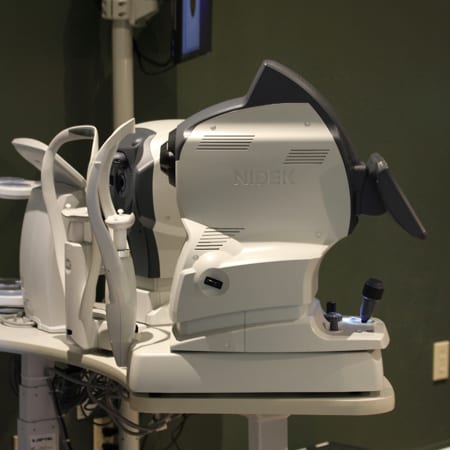
The team can look closely with magnifying tools to find the true source of the redness. From there, they can guide care for the condition behind it, so your eyes feel comfortable again.
If your family is dealing with a red, irritated eye, the team at Dorchester Optometry can help you find answers. Book an eye exam today and get clear, calm guidance for your whole family.